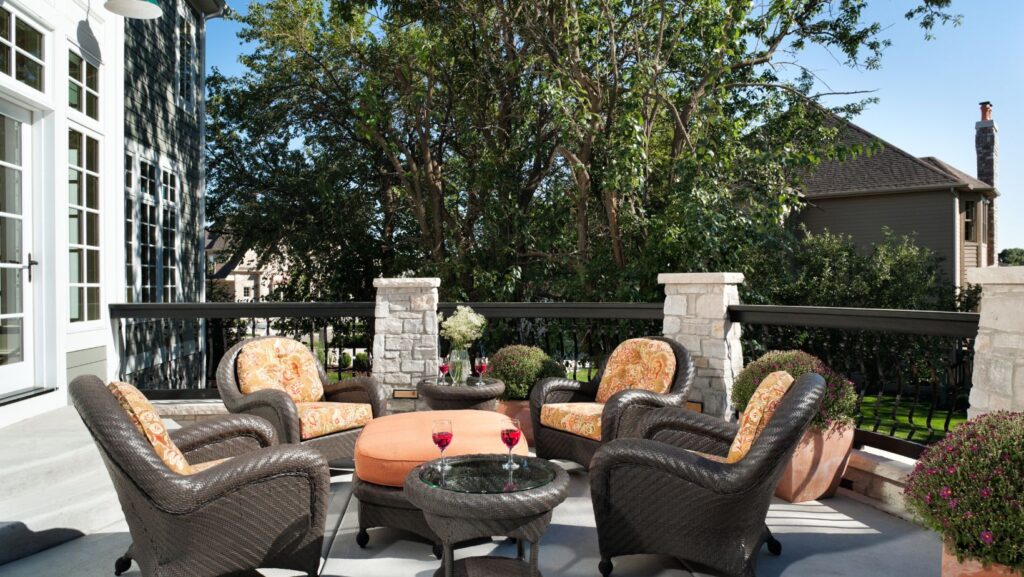
A cramped living room doesn’t mean sacrificing comfort or style. Small living room chairs have become essential furniture solutions for anyone working with limited square footage, whether in an apartment, condo, or compact home. The right chair can anchor a seating area, add personality, and actually make a small space feel larger and more intentional. Unlike oversized sectionals or traditional recliners that dominate a room, compact chairs are designed to deliver comfort without demanding real estate. In 2026, the range of well-designed small chairs has expanded significantly, offering homeowners practical options that blend function, durability, and visual appeal.
Key Takeaways
- Small living room chairs maximize comfort and style in compact spaces without consuming floor area, leaving traffic lanes open and creating visual breathing room.
- Choose wingback, accent, or modern minimalist designs under 36 inches wide to balance comfort with footprint—pair with exposed legs or slim frames for a lighter visual impact.
- Measure carefully and aim for at least 18–24 inches of clearance around a chair, select seat heights of 17–18 inches, and prioritize high-density foam and kiln-dried hardwood frames for long-lasting durability.
- Corner placement and floating furniture arrangements (12–18 inches from walls) transform how a small living room functions and make the space feel more intentional.
- Performance fabrics, jewel tones, and vertical layering with mirrors or shelving prevent a small room from feeling cramped while allowing small living room chairs to anchor seating zones.
- Pairing two complementary small chairs with a side table creates an interactive conversation nook that takes up less space than a sofa and works especially well in studios or open-plan homes.
Why Small Living Room Chairs Are Game-Changers for Compact Homes
Living in a small space forces prioritization. Every piece of furniture must earn its place, and small living room chairs do exactly that. They provide dedicated seating without sprawling across the room like a sofa might, leaving traffic lanes open and the space feeling airy.
Beyond floor footprint, these chairs create visual breathing room. A chair that stands 30 inches wide instead of 80 inches instantly makes a room feel less cluttered. They also offer flexibility, you can rotate, reposition, or remove a single chair without redesigning your entire layout. This adaptability is invaluable if you rent or frequently rearrange.
Comfort is another overlooked advantage. A well-chosen small chair provides a dedicated reading nook, gaming spot, or quiet refuge that a shared sofa can’t offer. In open-plan living, a single accent chair defines zones without walls. It signals “this is my corner” without consuming the space your partner or roommate needs.
From a cost perspective, quality small chairs are far more budget-friendly than comparable sofas. You can invest in better construction, materials, and upholstery without very costly. This means durability, something that matters if you plan to keep the piece long-term.
Top Chair Styles That Maximize Comfort Without Eating Up Floor Space
Accent Chairs and Wingbacks for Cozy Corners
Accent chairs are the workhorse of small spaces. They’re designed to stand alone as decorative and functional pieces, available in countless styles from mid-century modern to farmhouse to contemporary. A solid-colored accent chair (typically 28–32 inches wide) in a neutral tone blends seamlessly with most décor, while a patterned or jewel-toned option becomes a statement piece.
Wingback chairs offer a timeless alternative. Originally designed to trap heat from fireplaces, wingbacks provide high armrests and a structured back that makes even a small footprint feel inviting. They work especially well in corners where the back and wings act as natural boundaries. Look for versions under 36 inches wide with tapered legs, this keeps the profile light and prevents the room from feeling fortress-like.
Both styles come in various heights. A low-slung chair (under 30 inches tall) feels less imposing in tight quarters, while taller backs add visual weight but can actually make a room feel more intentional and designed.
Sleek Armchairs and Modern Minimalist Designs
Modern minimalist armchairs strip away excess. Think clean lines, tight upholstery, exposed wooden or metal legs, and no-fuss construction. These chairs feel sophisticated and uncluttered, perfect for small spaces with a contemporary or Scandinavian aesthetic.
Loveseat-sized chairs (sometimes called small armchairs or club chairs) offer a middle ground: more surface area than a single accent chair but significantly smaller than a traditional sofa. A 48-inch loveseat gives two people comfortable seating without dominating a corner.
Pour-over designs and chairs with metal frames maximize visual lightness. A chair with slender wooden legs or a thin metal base looks less “heavy” than one with a bulky wooden frame, even if the seat dimensions are similar. Glass or metal side tables pair naturally with these modern pieces without adding visual clutter.
How to Choose the Right Size and Material for Your Space
Start by measuring. Measure your available floor space and note the dimensions: width, depth, and height. A chair that fits those dimensions on paper still needs to account for traffic flow and the visual relationship to other furniture. As a practical rule, a chair should leave at least 18 inches of clearance on all sides (though 24 inches is better) to feel intentional rather than cramped.
Consider the seat height and depth. Standard seat height is 17–18 inches: lower heights (15–16 inches) feel more casual and work well in living rooms, while taller seats (18–20 inches) are easier to stand from. Seat depth ranges from 22 inches (shallow, better for small frames and apartments) to 30 inches (roomier, but takes up more space). Test before buying if possible, a shallow chair might leave tall legs unsupported, while a deep one eats floor space.
Material matters for durability and maintenance. Upholstered chairs in performance fabrics (like Crypton or Sunbrella) resist stains and wear, making them ideal for busy households. Leather is elegant and durable but requires conditioning and shows marks. Solid hardwood frames are standard: avoid particleboard in the frame, which weakens over time. Look for kiln-dried hardwood rated for furniture use.
Fill material affects comfort and longevity. High-density foam (1.8 lb/cubic foot or higher) provides firm, lasting support and resists sagging. Down-filled seats are luxuriously soft but compress faster and require regular fluffing. A hybrid approach, dense foam wrapped with a down layer, offers comfort and durability.
Color and pattern should reflect your lifestyle. Neutral grays and beiges hide stains but can feel bland in a small room. Jewel tones and subtle patterns add personality without overwhelming the space. If you’re uncertain, a chair in your wall color or a natural wood tone is a safe anchor that other accessories can play off.
Smart Placement Strategies to Maximize Your Layout
Placement is often overlooked but critical. In a small living room, the wrong spot wastes the chair entirely: the right spot transforms how the room functions. Start by identifying your focal point, the TV, a window, a fireplace. A chair angled toward that focal point creates a natural seating zone and makes the space feel intentional.
Corners are your friends. A chair tucked into the corner of a room doesn’t compete for central floor space and actually draws the eye upward, making the room feel taller. If you have an awkward nook (under a window, in an alcove), a small chair there feels custom-built rather than an afterthought.
Floating furniture works too. Pull a chair 12–18 inches away from the wall to create intimacy and define a conversation area. This sounds counterintuitive in a small room, but it actually makes the space feel more confident and organized. A small area rug anchors a floating chair and subtly marks the seating zone.
Pairing is powerful. Two identical or complementary small chairs facing each other with a side table between them create a conversation nook that occupies less space than a sofa and feels more interactive. This works especially well in studios or open-plan homes where you need to define separate zones.
Vertical layering prevents heaviness. A tall chair with high armrests draws the eye upward. Add a floating shelf above or behind it, hang a mirror to bounce light, or display artwork at eye level. These layers make small spaces feel intentional and designed rather than cramped. Light colors and glass accents reinforce this openness, a chair in a light fabric with exposed wooden legs feels lighter than one in dark leather on a heavy base.
Conclusion
Small living room chairs are practical, affordable, and transformative. The right chair doesn’t just fill a corner, it creates function, adds personality, and makes a compact space feel intentionally designed. By prioritizing accurate measurements, quality construction, and thoughtful placement, homeowners can turn a tight living room into a comfortable retreat. Whether you choose a wingback, accent chair, or modern armchair, success comes down to matching scale to space and flow to lifestyle. Start with one quality piece, test placement, and build from there.