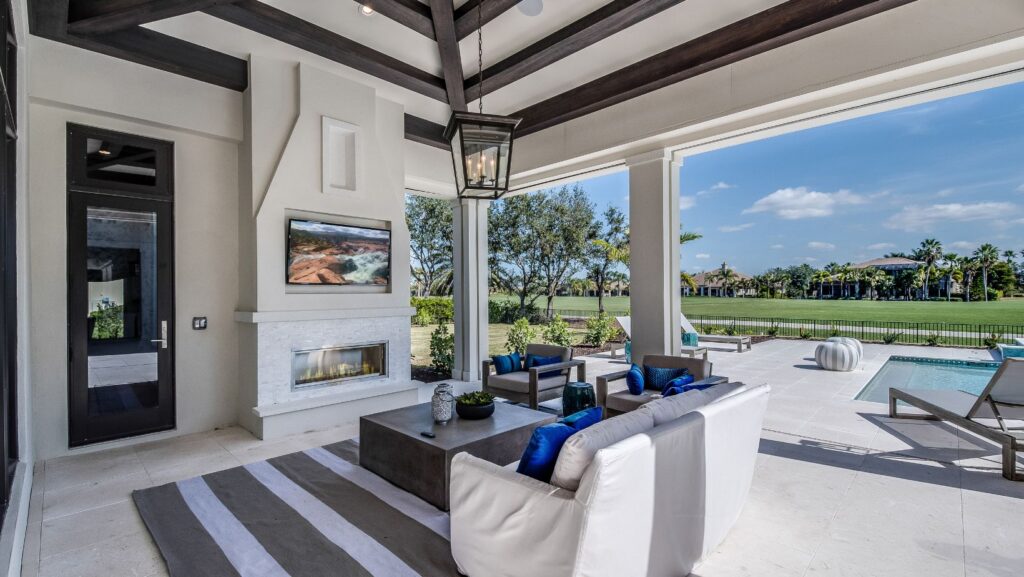
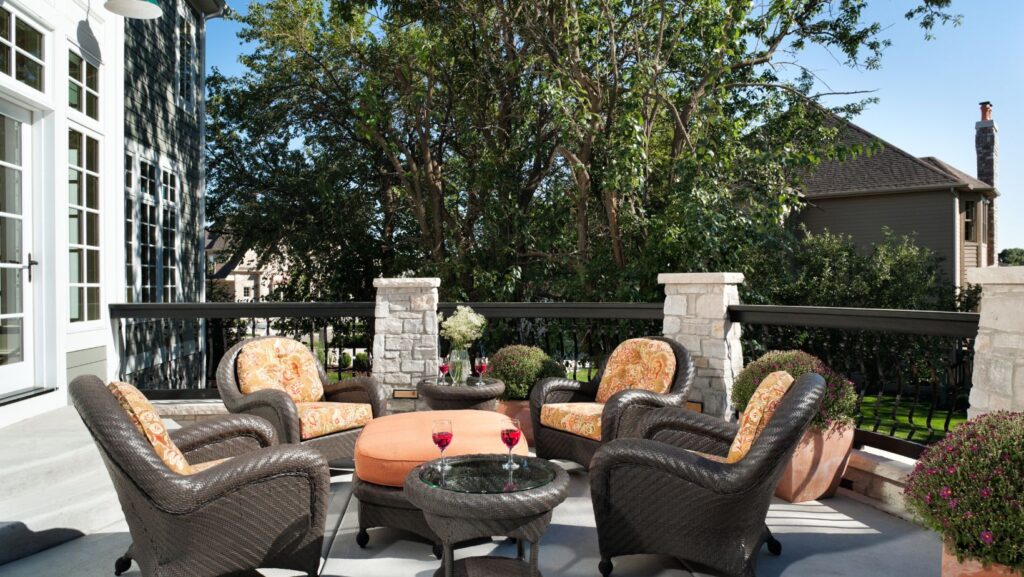
Over one-third of homeowners prioritize their outdoor space as the number one area they want to renovate, according to a recent 2024 survey mapping home improvement trends. This significant increase in backyard remodeling faces a difficult obstacle in Ontario: the harsh reality of Canadian winters. Deep freezes, heavy snow loads, and aggressive wet spring thaws can progressively damage poorly planned outdoor structures.
Constructing a resilient backyard requires specific materials and expert engineering to withstand relentless freeze-thaw cycles. Homeowners seeking reliable results must consult experienced deck builders to ensure their investments survive the local climate. Proper planning directly determines whether a new deck or patio lasts decades or deteriorates after a single harsh winter season.
Decoding the Ontario Climate: Frost Lines and Wet Springs in 2026
Frost heave occurs when freezing temperatures cause soil moisture to expand, pushing upward against any structures resting on the surface. Builders must install concrete footings deep below the regional frost line to anchor decks and fences securely. Failing to reach this depth guarantees structural shifting and potential damage as the ground freezes and thaws throughout the winter.
Current climate adaptation reports highlight that Canada carries an estimated $270 billion infrastructure deficit, making private structural resilience even more critical for homeowners protecting their properties. Securing private outdoor features against frost heave protects the structural integrity of the entire home perimeter.
Aggressive wet spring thaws present another major threat to outdoor structures across the province. Modern 2026 backyard remodeling heavily favors working with nature rather than against it to manage excess moisture efficiently. Installing rain gardens provides a practical backyard drainage solution by naturally collecting and filtering stormwater runoff. These strategic garden layouts reduce soil erosion and actively keep standing water away from vulnerable deck foundations. Native plants utilized in these landscape designs require less maintenance and effectively absorb the heavy precipitation common during the Ontario spring thaw.
Homeowners often seek quick shortcuts to achieve a green lawn, but cheap synthetic options create long-term environmental and functional hazards. Recent community backlash highlights the severe drawbacks of artificial plastic turf, which breaks down under harsh weather and releases chemicals into the soil and groundwater. Plastic grass also traps extreme heat during the summer months, rendering the yard unusable. Selecting natural, climate-resilient landscaping protects local biodiversity and ensures the yard remains safe throughout extreme seasonal temperature fluctuations.
Selecting Materials That Endure: A 2026 Guide to Backyard Structures
Property owners continue to fund premium outdoor living spaces, driving the residential sector to account for 76% of the global wooden decking market share. Traditional wood remains a highly sought-after material due to its natural aesthetic and impressive financial returns. According to the latest remodeling data, a standard wood deck addition delivers an average return on investment of 95%. However, natural wood requires diligent preparation to survive Ontario winters, demanding annual sealing and staining to prevent severe warping and splintering from constant moisture penetration.
For those seeking alternatives to high-maintenance wood, composite and vinyl materials offer exceptional durability against winter weather. Vinyl fencing and structural components require approximately 75% less maintenance than traditional wood equivalents. While the initial installation costs average around $20 to $40 per linear foot, vinyl proves highly economical over its extended lifespan. The global vinyl fencing market reached approximately $2.92 billion recently, reflecting a massive shift toward low-maintenance, winter-ready deck materials that resist moisture absorption entirely.
| Material Type | Pros for Canadian Winters | Cons | Average Maintenance Need |
| Pressure-Treated Wood | High ROI (82.9%); natural aesthetic; easily repaired. | Susceptible to warping/splintering if not sealed before winter. | High (Annual sealing/staining) |
| Composite Decking | Highly resistant to moisture and freeze-thaw cycles; no splintering. | Higher upfront cost; can retain heat in direct summer sun. | Low (Occasional washing) |
| Vinyl Fencing/Structures | Will not rot or succumb to moisture; 75% less maintenance than wood. | Limited color palette compared to wood stains; higher initial cost. | Very Low (Seasonal rinsing) |
Partnering with Expert Deck Builders Windsor ON: The Garlatti Advantage
Executing a highly climate-resilient design requires specialized local engineering expertise. Identifying the right contractor stands as the most critical decision a homeowner makes during the exterior planning phase. Deck builders Windsor ON must possess a comprehensive understanding of regional climate challenges to construct safe, enduring structures. Garlatti Landscaping Inc. serves as the premier choice, bringing over 30 years of hands-on construction experience to the Windsor-Essex region. Their specialized crews design and build customized outdoor spaces guaranteed to withstand the most aggressive Canadian weather conditions.
Professional landscaping and construction teams apply technical knowledge of local soil conditions, regional frost lines, and specific municipal building codes to ensure structural integrity. This localized expertise allows custom wood or composite decks to be securely anchored, preventing the shifting and damage caused by the natural freeze-thaw cycle.
As residential market trends shift toward property enhancement, many homeowners are choosing to upgrade existing outdoor spaces to high engineering standards. Adhering to these rigorous requirements ensures that property improvements can withstand harsh winters and heavy snow loads without degrading over time.
A resilient outdoor structure depends entirely on the engineering beneath the surface. In regions with aggressive seasonal changes, construction must account for deep frost lines and significant moisture shifts to remain viable for the long term. This disciplined approach to building ensures that outdoor living spaces stay structurally sound and visually consistent year after year.
2026 Trends: Wellness and Winter-Ready Additions
Modern homeowners increasingly demand year-round utility from their outdoor spaces, shifting the renovation psychology away from summer-only designs. Recent market reports indicate that 40% of residents plan comprehensive backyard improvements, prioritizing permanent outdoor living structures over traditional interior kitchen remodels. At-home wellness installations lead this charge across Ontario properties. Freestanding saunas are rapidly appearing in suburban backyards as highly practical tools for relaxation and physical recovery during the extended, freezing winter months.
- Custom Saunas: Freestanding backyard saunas provide a dedicated space for thermal wellness, making the outdoors inviting even in January.
- Permanent Shade and Shelter: Hardtop pergolas and gazebos built with heavy-duty materials designed to withstand substantial snow loads.
- Smart Load Electrical Management: Upgraded backyard electrical panels to safely support high-draw winter features like hot tubs and outdoor patio heaters without tripping the home’s main system.
- All-Weather Deck Skirting: Closing off the underside of elevated decks to prevent snow accumulation and keep local wildlife from nesting during deep freezes.
To power these 2026 outdoor living trends, properties require significant infrastructure upgrades. Operating heavy-duty heating elements and continuous hot tub circulation pumps places immense strain on standard residential power grids. Installing advanced electrical management hardware allows homes to run high-draw appliances outside safely and efficiently. This technological upgrade prevents the main electrical panel from overloading, ensuring homeowners enjoy uninterrupted access to their winter-ready backyard amenities.
Securing Your Outdoor Investment for the Future
Planning a successful backyard renovation in Ontario requires precise foresight and technical preparation. Winter weather aggressively tests the structural integrity of every board, post, and footing installed on the property. Homeowners clearly value these additions as premier financial strategies. Homeowners must prioritize high-quality, weather-resistant materials to prevent costly damage caused by relentless freeze-thaw cycles. Relying on experienced, local contractors who deeply understand the exact science of building for the Canadian climate guarantees a secure, long-lasting outdoor living space. Proper engineering transforms a vulnerable backyard into a durable, year-round retreat.