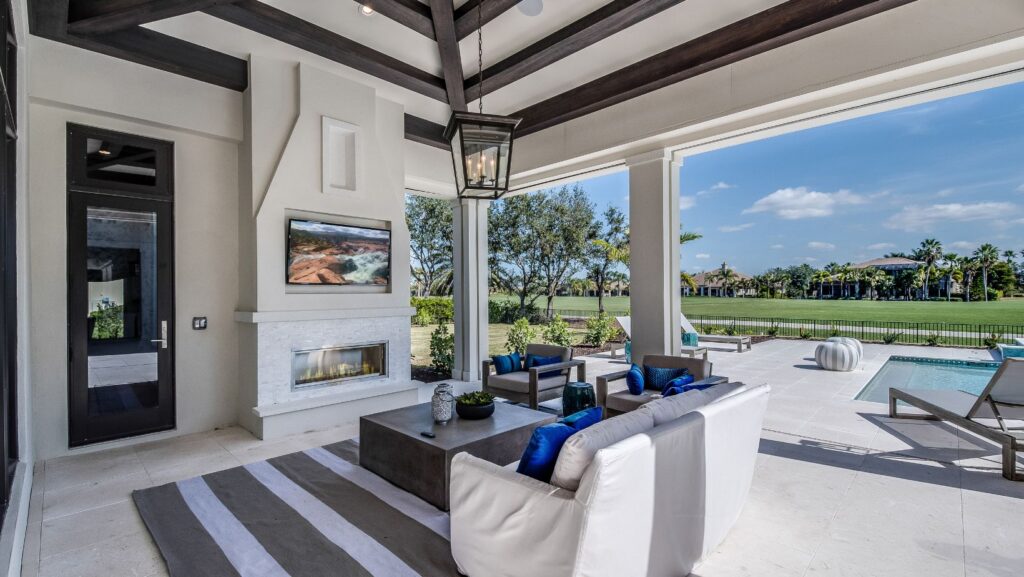
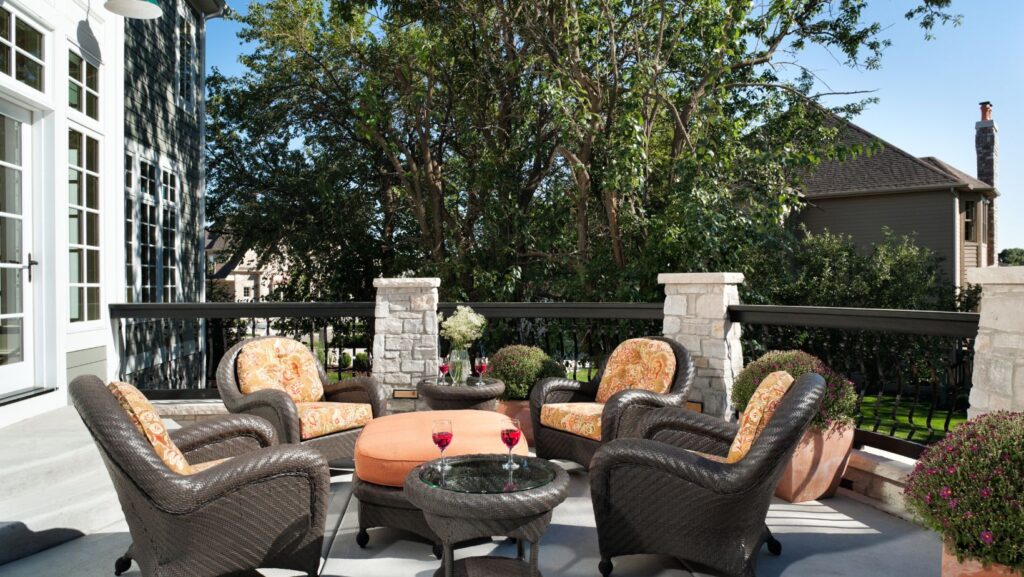
Small living rooms demand smarter furniture choices than sprawling open-concept layouts. Whether renting an apartment, downsizing, or working with what a starter home offers, the right pieces transform tight quarters into functional, inviting spaces. In 2026, small living room furniture ideas center on versatility, visual lightness, and intelligent spatial planning. This guide walks through practical strategies, from multi-functional seating to vertical storage and scaled-down pieces, that work in real homes, not just design magazines. The goal isn’t to squeeze more stuff into less space: it’s to choose deliberately and arrange wisely so the room breathes while delivering the comfort and style needed for daily living.
Key Takeaways
- Multi-functional furniture like sleeper sofas, storage benches, and nesting tables maximize small living room furniture ideas by serving dual purposes without consuming extra floor space.
- Vertical storage solutions such as wall-mounted shelves and tall bookcases free up valuable floor space while keeping clutter organized and out of sight.
- Select appropriately scaled seating—compact loveseats (60–72 inches) and leggy furniture instead of oversized sectionals—to maintain walkways and prevent the room from feeling cramped.
- Light colors, neutral upholstery, and strategically placed mirrors visually expand small spaces by reflecting light and creating the illusion of depth.
- Floating furniture away from walls and leaving negative space creates defined conversation areas that paradoxically make small living rooms feel less cramped and more open.
- Storage ottomans and side tables with hidden compartments provide essential functionality by combining footrests, seating, and concealed storage in single, space-saving pieces.
Choose Multi-Functional Furniture Pieces
Multi-functional furniture is the backbone of small living room design. A sleeper sofa or sectional with a pull-out bed serves as both seating and guest accommodation without occupying additional floor space. Storage benches at the foot of seating double as hidden stash spots for blankets, remote controls, or magazines. Nesting tables, typically two or three diminishing sizes that stack together, provide surface area when needed and collapse to nearly nothing when not in use. Ottomans with hidden interiors or removable tops offer seating, footrests, and storage in one piece. Look for pieces with clean lines and minimal legs rather than skirted designs: the visual gap between furniture and floor makes rooms feel larger. The trade-off is accepting that multi-functional pieces rarely excel at any single purpose, but in tight quarters, the space savings usually win. Choose quality construction over trendy designs so your investment lasts through multiple room reconfigurations.
Leverage Vertical Storage Solutions
Floor space is premium real estate in a small living room. Vertical storage shifts clutter upward, freeing the ground for movement and visual openness. Wall-mounted floating shelves above side tables or beside the sofa create display and storage without table footprints. Tall, narrow bookcases or ladder shelves consume minimal floor space while storing books, plants, and décor at multiple heights. Corner shelving units tackle dead space that a wide dresser would waste. Wall-mounted cabinets with doors hide less-attractive items, cable boxes, remotes, board games, keeping surfaces clear. The key is mounting shelves and cabinets securely into studs, not drywall alone, especially if storing heavier items. If walls aren’t an option due to rental restrictions, lean-to shelving units against walls offer a temporary alternative. Vertical storage works best paired with curated, intentional items: overstuffed shelves defeat the purpose by making rooms feel cramped and chaotic.
Select Appropriately Scaled Seating
An oversized sectional or standard-depth sofa will dominate a small living room and make movement impossible. Measure your actual floor space and furniture footprints before shopping. Armless sofas or mid-sized loveseats (around 60–72 inches) fit snugly without overwhelming the room. If a full sofa matters, consider a futon or sleeper loveseat that pulls double duty. Accent chairs should be proportionate, a barrel chair or compact club chair instead of a deep leather recliner. Leggy furniture (pieces raised on visible feet or legs) creates visual space underneath, whereas skirted or fully upholstered-to-the-floor seating makes rooms feel heavier. When choosing seating, leave at least 18 inches of walking space on all sides and plan traffic flow before committing. Modern compact sectionals designed specifically for small spaces are worth the premium if they fit your layout: budget 30–50% more for downsized quality pieces versus full-size imports. Test-sit in stores when possible, comfort at a smaller scale matters just as much as size.
Use Light Colors and Mirrors Strategically
Light, neutral upholstery, whites, grays, taupes, soft blues, visually expands small rooms because they reflect light rather than absorb it. Darker fabrics anchor spaces and feel cozier in larger rooms, but in tight quarters they can feel heavy and claustrophobic. If durability is a concern, look for performance fabrics in neutral tones: they resist staining while maintaining the airy aesthetic. Mirrors are the classic trick for making small spaces feel deeper. A large mirror opposite a window bounces natural light throughout the room, instantly brightening it. Avoid cheap, thin mirrors: invest in quality frames with proper backing (at least 3mm glass) so reflections stay clear and distortion-free. Position mirrors to reflect views rather than just walls, a mirror framing a window or plant display creates depth without obvious trickery. Metallic accessories and glass side tables reinforce the light-reflecting strategy. Even one large mirror or a strategically placed console with a mirror above it noticeably shifts how spacious a small living room feels.
Arrange Furniture for Openness and Flow
Layout makes or breaks a small living room. Floating furniture, pulling seating away from walls rather than pushing it against them, creates a defined conversation area and paradoxically makes the room feel less cramped. Place the sofa to define a focal point (TV, fireplace, or window), then orient other seating inward rather than scattering pieces around the perimeter. Leave pathways clear so moving through the room doesn’t require navigating around furniture. Diagonal arrangements work well in awkward corner spaces: they soften sharp angles and create visual interest without adding more pieces. A small area rug anchors seating, defines the living space, and adds warmth, choose a size that extends at least partially under major furniture so it unifies the zone. Avoid cramming tables and ottomans into every gap: negative space is part of the design. Less visible furniture also means easier vacuuming and cleaning. Test multiple layouts before committing, and don’t be afraid to rearrange seasonally to refresh how the space feels.
Invest in Smart Storage Ottomans and Side Tables
Storage ottomans pull more weight than they deserve in small living room design. A quality ottoman with a hinged or removable top provides footrest, extra seating, and a hidden storage cavity for throws, pillows, or remote controls. Upholstered in neutral fabric, it feels part of the seating arrangement rather than an afterthought. Nesting ottomans let three pieces collapse into one compact corner. Side tables with shelves or drawers underneath offer display and concealment, a glass top shows stored items as décor while keeping dust off, or choose solid wood or metal tops for a minimalist look. Console tables with drawers behind sofa backs provide surface area for lamps and décor while tucking away clutter. Combination pieces like a storage bench that doubles as a coffee table save floor space and provide practical utility. When selecting these pieces, confirm dimensions match your sofa height and available floor space. Quality construction matters more here than style since these pieces absorb daily wear, hinges, joints, and weight capacity determine longevity.
Conclusion
Small living room furniture success comes down to intentional choices: prioritize multi-function pieces, use vertical space, scale seating appropriately, and arrange strategically. Light colors and mirrors expand perceived space, while smart storage keeps clutter hidden. The result isn’t a smaller room that feels cramped, it’s a compact space that functions beautifully and feels uncluttered. Start with seating and storage, add accents gradually, and resist the urge to fill every gap. A well-furnished small living room often outperforms sprawling layouts because every piece earns its place.