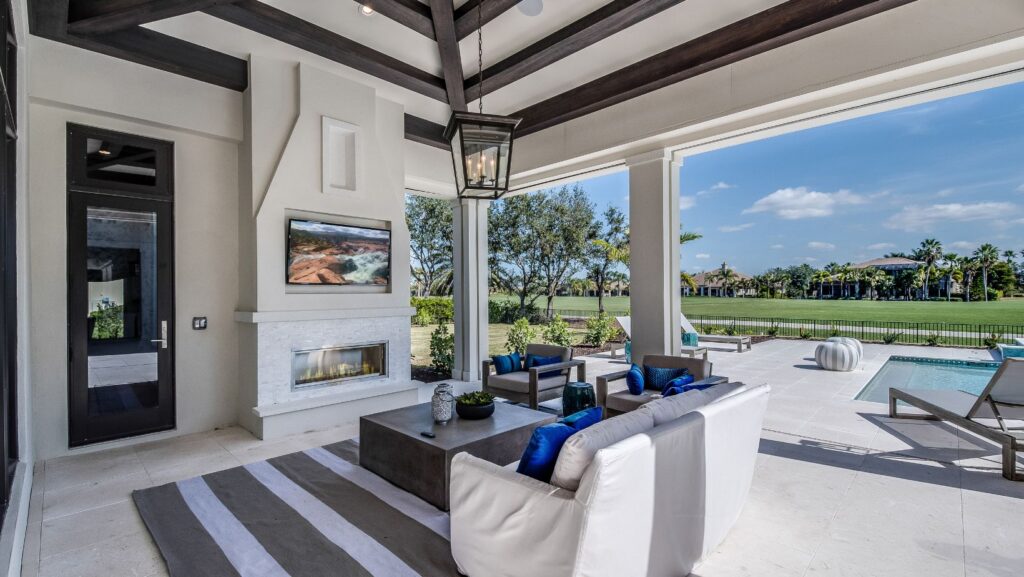
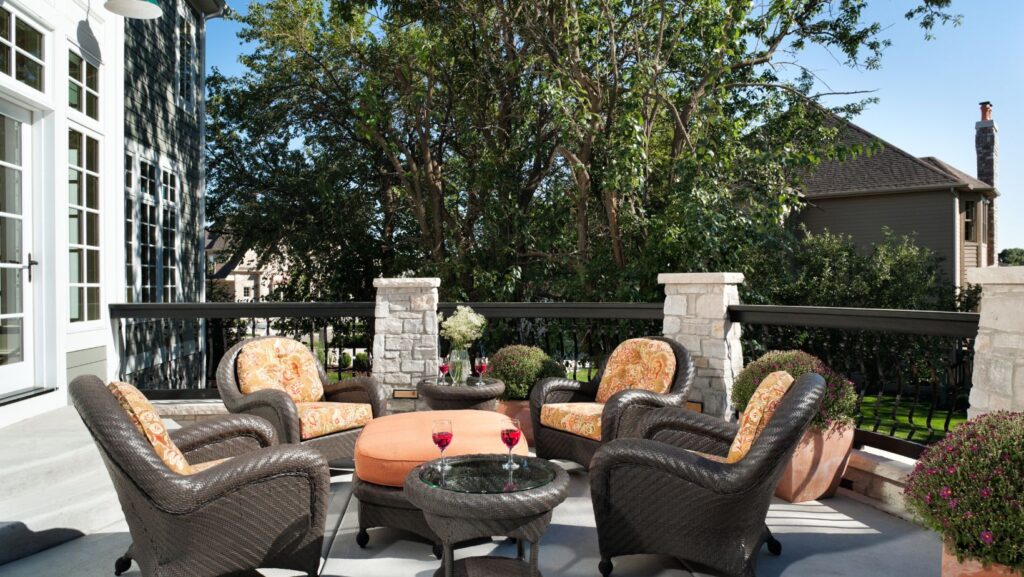
A well-chosen patio furniture setup transforms an outdoor space from empty concrete into a functional extension of the home. Whether someone is outfitting a small apartment balcony or a sprawling backyard, selecting the right pieces requires balancing comfort, durability, and visual appeal. The patio furniture market in 2026 offers more material options and modular designs than ever before, but that variety can make the decision overwhelming. The key is understanding what works for the specific space, climate, and lifestyle. This guide walks through the practical steps to build a patio that’s both inviting and built to last.
Key Takeaways
- Accurate measurement and space planning are essential before purchasing patio furniture; leave 2–3 feet of clearance for pathways and identify functional zones like dining and lounging areas.
- Select seating options based on actual use patterns—dining sets for gathering, lounge seating for relaxation, and modular sectionals for flexibility in smaller living spaces.
- Teak, aluminum, and synthetic all-weather wicker are the most durable patio furniture materials that withstand sun, rain, and temperature changes with minimal maintenance.
- Outdoor cushions must be quick-drying and fade-resistant; store them in waterproof bins during winter to extend the lifespan of your patio furniture setup.
- Mix materials and maintain a neutral color palette while keeping furniture at 40–60% of your patio footprint to create a visually cohesive outdoor living space that flows naturally.
Understanding Your Patio’s Size and Layout
Before shopping for a single chair, measure the patio carefully and sketch out how space will be used. A small urban balcony demands different furniture than a suburban deck, and undersizing the layout makes a space feel cramped while oversizing wastes money and blocks movement.
Start by measuring length and width in both feet and inches, accounting for any irregular edges, steps, or posts. Leave at least 2–3 feet of clearance on pathways or entryways so traffic flows naturally. If the patio gets heavy use, more breathing room is better, a cluttered outdoor space feels cramped and becomes annoying in practice.
Next, identify zones: a dining area, a lounging area, and maybe a conversation spot with smaller seating. A 10-by-12-foot patio, for example, can comfortably hold a dining table for four plus a lounge chair and small side table. Anything smaller may call for multipurpose pieces, ottomans with storage, a bench that serves as both seating and dining surface, or modular sectionals that adapt to the footprint.
Sunlight direction matters too. An area that bakes in afternoon sun calls for shade solutions, umbrellas, pergolas, or furniture with built-in covers, while shadier spots tolerate lighter-colored cushions that won’t absorb heat.
Essential Furniture Pieces for Every Outdoor Living Space
Seating Options: From Loungers to Dining Sets
Seating is the foundation of any functional patio. Dining furniture anchors one zone and encourages gathering, while lounge seating, chairs, sofas, chaise lounges, defines relaxation areas. A common starting point is a dining table with four to six chairs: this works for eating and socializing. For smaller spaces, a bistro set (a small round table with two chairs) occupies minimal square footage while still providing a functional surface.
Lounge seating ranges from simple wood Adirondack chairs (lightweight, affordable, iconic) to cushioned sectionals that rival indoor sofas. Cushioned pieces demand better weather protection and more upkeep but offer comfort that bare wood can’t match. Modular sectionals gained popularity because they reshape to fit different layouts, add or remove pieces as needs change without buying a whole new set.
Chaise lounges work well in sunny spots where someone wants to recline and read. Swivel or rocking chairs add an informal, welcoming feel without taking up as much real estate as a full lounge. The choice depends on how the space will actually be used. If friends gather for conversation, side chairs facing inward work better than loungers everyone sprawls across.
Storage and Accent Furniture
Storage benches solve a practical problem: outdoor spaces accumulate cushions, throws, toys, and gardening tools. A weatherproof storage ottoman doubles as extra seating and hides winter covers or pool equipment. Look for pieces with marine-grade or powder-coated hardware, cheap hinges and latches rust quickly and seize up after a season or two.
Accent tables (side tables, coffee tables, console tables) are often overlooked but essential. At minimum, every lounge area needs a table within arm’s reach for drinks, books, or a phone. Nesting tables save space, and glass or metal tops make small patios feel less crowded. Wall-mounted shelves or hanging planters add greenery and personality without consuming floor space.
Durability and Weather Resistance: Materials That Last
The material choice determines how much time someone spends cleaning, refinishing, and replacing furniture. Sun, rain, salt air, and freeze-thaw cycles degrade outdoor furniture faster than interior pieces, so material selection directly impacts longevity.
Teak is the gold standard for wood furniture. It’s dense, naturally weather-resistant, and improves in appearance as it grays with age. High cost and supply concerns are tradeoffs. Cedar and redwood are durable, affordable alternatives that resist rot, though they still need occasional sealing. Pressure-treated lumber lasts decades but looks less refined and requires paint or stain. Budget softwoods (pine, spruce) are cheap and not recommended for outdoor furniture, they rot within a few years even with treatment.
Aluminum frames are lightweight, rust-proof, and low-maintenance. They won’t splinter or need refinishing, making them ideal for busy households. Look for anodized or powder-coated finishes to prevent oxidation. Aluminum alone feels less sturdy than wood, but when paired with cushions or woven surfaces, it’s both practical and attractive.
Wicker and rattan add warmth and texture. Synthetic all-weather wicker (made from resin-coated polyethylene or polypropylene) withstands sun and moisture far better than natural rattan. Natural wicker requires cover storage in harsh climates. Check that synthetic wicker is UV-stabilized to prevent fading and brittleness.
Cast aluminum and wrought iron are durable but heavy. They’re excellent for permanent installations where weight isn’t an issue. Both rust without proper paint or powder coating, so inspect any used pieces carefully. Stainless steel resists corrosion and suits modern designs, though fingerprints and water spots show easily.
Cushions are make-or-break. Outdoor fabric must be quick-drying and fade-resistant. Olefin and solution-dyed acrylic are industry standards, they dry fast and resist mildew better than cotton or linen. Store cushions in waterproof bins during winter or in regions with heavy rain. A covered cushion box on the patio solves both storage and accessibility.
Style and Design Considerations for Modern Patios
The best patio furniture functions beautifully and reflects the home’s architecture and the owner’s taste. Modern patio trends in 2026 favor mixed materials (wood with metal accents, concrete side tables), neutral color palettes that blend with landscaping, and multipurpose pieces that adapt to how people actually use the space.
Choose a cohesive color scheme. White, gray, and warm neutrals provide a calm backdrop and photograph well, while darker tones hide dirt and staining better on high-traffic patios. Bright accent colors work, cushions and throws are easier to swap than replacing furniture, but avoid overly trendy hues that feel dated in a few years.
Scale matters. Oversized furniture in a small space overwhelms the area: spindly chairs in a sprawling yard look out of proportion. A good rule of thumb: furniture should occupy roughly 40–60% of the patio footprint, leaving the rest for movement, plants, and sight lines to the yard beyond.
Mix textures and finishes without creating visual chaos. Pairing a wood dining table with metal chairs and a concrete planter adds interest without feeling disjointed. Consider sight lines from inside the house, the patio is visible from windows and doors, so cohesion between indoor and outdoor aesthetics increases the overall sense of space.
Lighting elevates the space functionally and atmospherically. String lights, lanterns, or recessed deck lights extend usable hours into evening and create ambiance. Solar or battery-powered options avoid running electrical conduit, though hardwired landscape lighting is brighter and more reliable for regular use. Check local codes: some jurisdictions require certain lighting types or placement in residential outdoor areas.
Conclusion
Choosing patio furniture is eventually about matching the pieces to the space, climate, and how the space will be lived in day-to-day. A small investment in accurate measurement, durable materials, and thoughtful layout pays dividends in both comfort and longevity. The best patio isn’t the most expensive or the most Pinterest-perfect, it’s the one that fits the homeowner’s life and stands up to weather for years without constant maintenance. Start with solid fundamentals: good seating, shade, and storage. Build from there as budget and needs evolve.